


19 Sep 2026
Custom CNC Machining RFQ Checklist: What Information Engineers Need for an Accurate Quote
A practical checklist for engineers and buyers requesting quotes on custom CNC machined parts
An incomplete RFQ (Request for Quote) is the single biggest reason CNC machining quotes take days instead of hours. When a shop has to guess at tolerances, materials, or finish requirements, the result is either a padded estimate or a revised quote once the missing details surface. This checklist covers exactly what an experienced CNC supplier needs from you to return an accurate, fast quote the first time.
CNC machine actively cutting a metal part, close-up shot with coolant spray, shallow depth of field. |

Figure 1. Start with complete design data—a 3D CAD model and a fully dimensioned 2D drawing are the foundation of any accurate CNC quote.
1. Provide complete design data
Always submit both a 3D CAD model (STEP, IGES, or native SolidWorks/Inventor/Parasolid files) and a 2D drawing (PDF or DWG). The 3D file lets the shop plan toolpaths and estimate cycle time; the drawing carries what the model alone cannot—dimensional tolerances, GD&T callouts, surface finish symbols, and notes on which features are critical to function. Quoting from a 3D file with no drawing forces the shop to assume standard tolerances, which may not match your design intent.
2. Specify material, quantity, and finish precisely
State the exact alloy and temper (e.g.,6061-T6, 7075-T651, 304 vs. 316 stainless) rather than a general material family—cost and machinability vary significantly within the same family. Provide quantities at more than one volume tier (prototype and production runs) so pricing reflects real setup and programming amortization. List any surface finish requirements (Ra value for functional surfaces) and secondary finishing such as anodizing, plating, passivation, powder coating, or bead blasting.
Split view: a 3D CAD model on one side and an annotated 2D engineering drawing with GD&T symbols and dimension callouts on the other. |
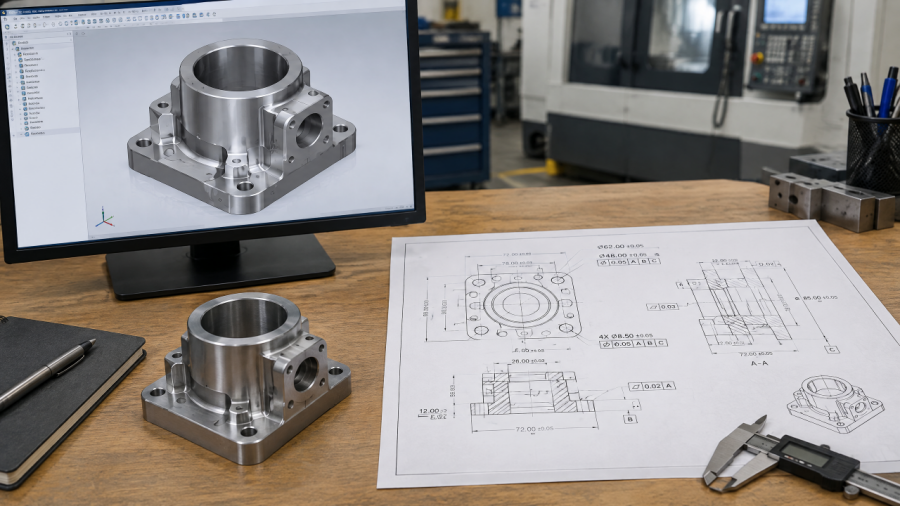
Figure 2. A 3D model plus a dimensioned drawing with GD&T lets a shop quote tolerances accurately instead of assuming standard defaults.
3. Clarify secondary processes and quality requirements
List any operation beyond machining itself—heat treatment, welding, assembly, hardware insertion (heat-set inserts, press-fit bearings), laser marking, or plating. These steps are often scheduled or outsourced separately and directly affect lead time and cost. Also state your inspection requirements: a First Article Inspection Report (FAIR), a Certificate of Conformance, full dimensional inspection reports, or specific industry compliance such as AS9100 or ISO 13485.
Macro photo of a caliper or CMM probe measuring a dimension on a finished precision-machined metal part. |
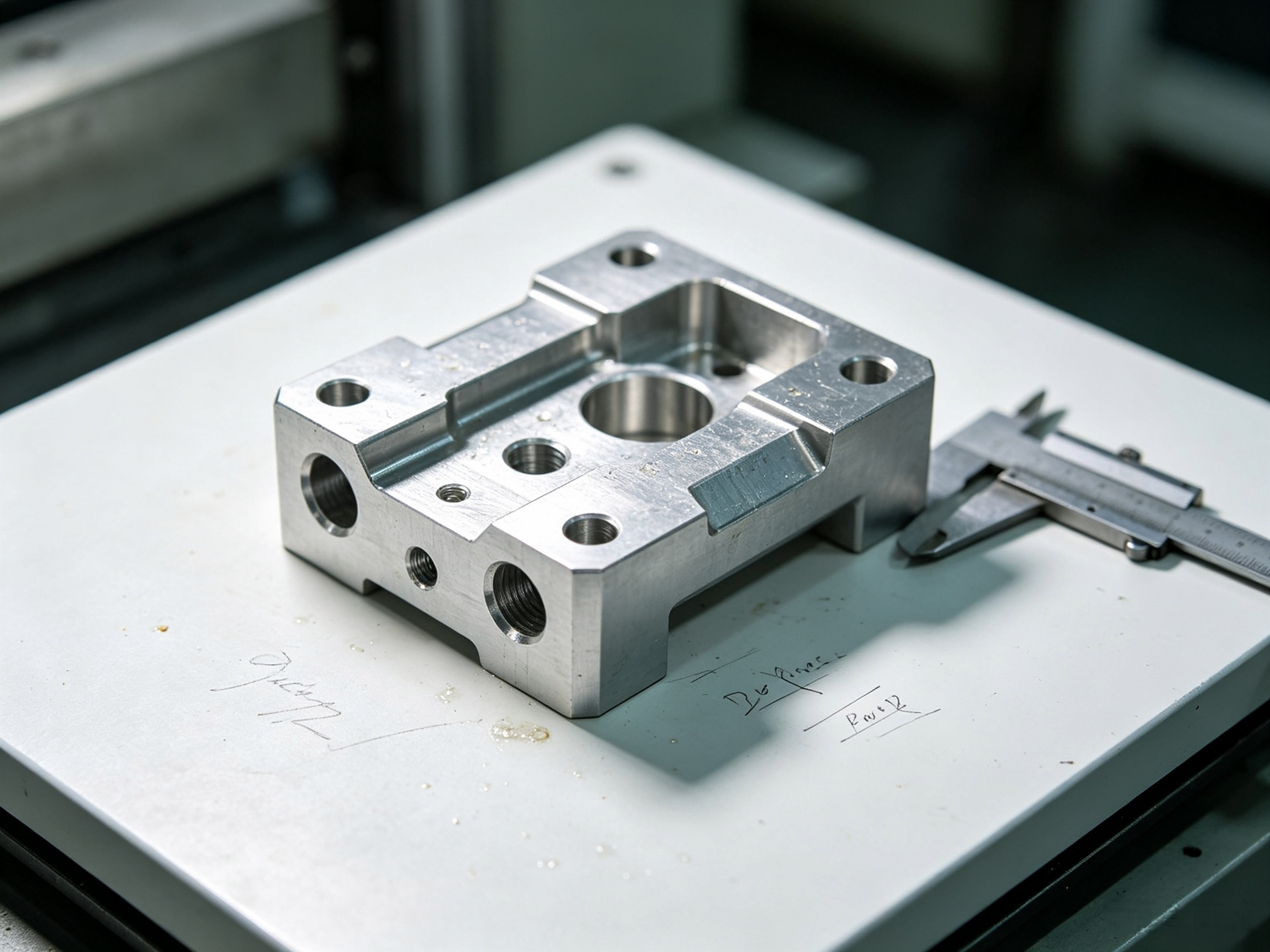
Figure 3. Tolerance and inspection requirements should be stated up front—over-specifying tight tolerances on non-critical features is a common cause of inflated quotes.
4. Confirm lead time, packaging, and cost targets
State whether you need standard or expedited turnaround—rush orders typically carry a premium, and knowing the real deadline lets a shop confirm feasibility before committing material and tooling. Mention any non-standard packaging requirements (individual bagging, foam-lined boxes, moisture-sensitive packaging, traceability labeling). If you have a target price from a budget or a competing quote, sharing it—even as a range—helps the shop confirm fit quickly and suggest design or process adjustments to hit your number.
A set of finished CNC machined parts in different finishes laid out on a table—anodized color parts, a plated part, and a bead-blasted part side by side. |
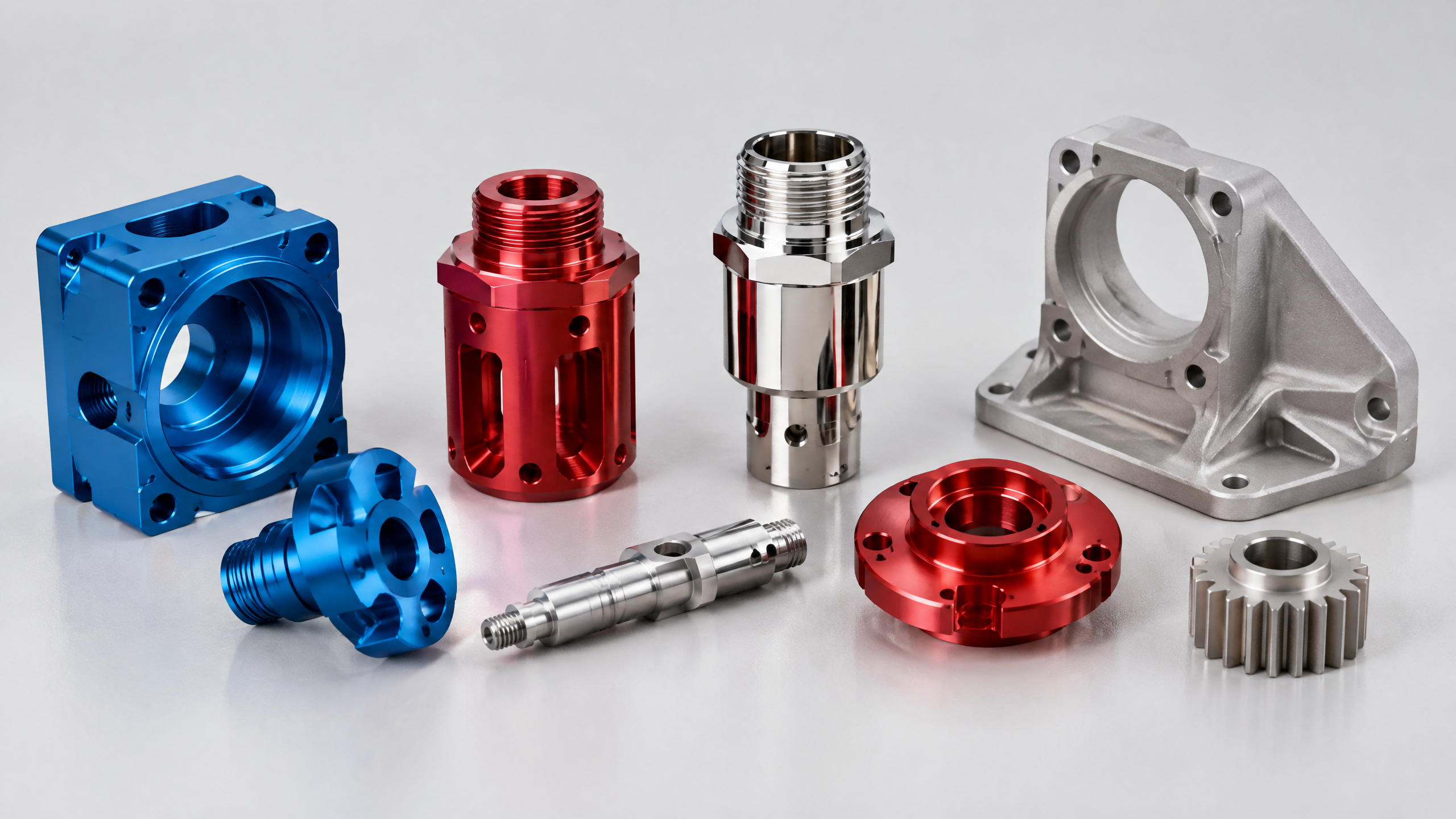
Figure 4. Secondary finishing choices (anodizing, plating, bead blasting) should be confirmed in the RFQ since they affect both cost and production scheduling.
Quick-reference RFQ checklist
• 3D CAD file (STEP / IGES / native format)
• 2D drawing with tolerances and GD&T
• Exact material, alloy, and temper—plus certification requirements, if applicable
• Quantity at more than one volume tier
• Critical tolerances, called out separately from standard-tolerance features
• Surface finish / Ra requirement, functional vs. cosmetic
• Secondary processes: anodizing, plating, heat treat, assembly, marking
• Inspection and quality documentation requirements (FAIR, CoC, certifications)
• Target lead time — standard or expedited
• Packaging requirements, if non-standard
• Target price, if available
Quick answers to common RFQ questions
What if I only have a 3D model, no 2D drawing?
A shop can still quote, but without a drawing, it must assume standard machining tolerances for every dimension. If any feature needs a tighter tolerance than the default, note it directly on the RFQ or in the CAD file annotations.
Do I need to specify a quantity break if I only need a prototype right now?
It helps. Even a rough estimate of an eventual production quantity lets the shop flag whether the design or process should change before you commit to tooling for volume production.
What happens if my RFQ is missing information?
Most shops will follow up with questions before quoting, which adds a day or more to turnaround. Submitting a complete RFQ up front is the single fastest way to get a firm, accurate number.
Should I request inspection documentation even if it's not required by my industry?
For anything beyond a low-cost, non-critical part, a basic dimensional inspection report is worth requesting—it gives you a documented baseline in case of a downstream fit or function issue.
Next step
To request a quote for your custom CNC machined parts, share your CAD files, drawings, material specifications, and quantity through Hotar CNC's RFQ process at hotarcnc.com. Include the details in this checklist and expect a detailed, accurate quote within 24–48 hours for standard parts.
References
[1] American Society of Mechanical Engineers. ASME Y14.5 — Dimensioning and Tolerancing standard. Referenced for GD&T conventions.
[2] NIST Engineering Metrology Toolbox. Guidance on standard machining tolerances and dimensional measurement. nist.gov.
[3] HOTAR CNC. Official website and RFQ submission portal. hotarcnc.com. Accessed 20 September 2026..